

How to Buy Land in Texas for the First Time: A Complete Guide
Buying land in Texas is one of the most rewarding things you can do — and one of the most complicated if you've never done it before.
Unlike buying a house in a subdivision, land transactions involve unique due diligence, financing, legal, and tax considerations that most first-time buyers have never encountered. Get them right, and you'll own a piece of Texas that holds value and serves your family for generations. Get them wrong, and you may end up with a property that can't be accessed, can't be financed, or triggers unexpected tax bills.
This guide walks first-time land buyers in Texas through what the process actually looks like — step by step.
James Peterson, ALC and Barbara Peterson are broker-owners of United Country Real Estate | Texas Ranch and Home in Floresville, Texas. James holds the Accredited Land Consultant (ALC) designation — the highest professional credential in land real estate. Helping first-time land buyers is something they do every week across Wilson County and South Texas.
Step 1: Define What You Actually Want (and Why It Matters)
Before you look at a single listing, be clear on what you're buying land for.
The purpose of the land shapes every other decision:
Homesite — You want to build a house and live on the land. Access, utilities, septic feasibility, and buildable area are top priorities.
Hunting and recreation — You want a place to hunt, fish, or spend weekends. Water, habitat, brush, and proximity to home matter most.
Cattle or livestock — You need pasture, water, fencing, and grazing capacity.
Farming — Soil quality, water access, and proximity to markets become priorities.
Investment — You're buying and holding. Location, growth path, and road frontage drive value.
Combination — Most Wilson County buyers want some mix of the above.
Being clear on purpose lets your agent show you the right properties. It also affects what you should pay for the land, because different buyers value the same features differently.
Step 2: Understand What "Land" Actually Includes

When you buy land in Texas, you're not just buying dirt. The property may include:
Surface rights — Your right to use, improve, and sell the surface of the land. This is what most buyers are purchasing.
Mineral rights — Ownership of oil, gas, coal, and other subsurface minerals. In Texas, mineral rights can be severed from surface rights and owned by completely different parties. A seller may own the surface but not the minerals — or vice versa.
Water rights — Surface water rights and groundwater rights are governed differently in Texas. Understanding what water sources are on or under the land — and what rights you have to use them — is important, especially for agricultural use.
Easements — Rights that allow other parties to cross or use part of your land. Pipeline easements, utility easements, and access easements are common in rural Texas. They don't prevent you from owning the land, but they affect how you use it.
Improvements — Fencing, roads, wells, ponds, tanks, barns, and structures that are part of the property.
A first-time land buyer needs to understand all of these components — and James and Barbara explain each one before you make an offer.
Step 3: Set a Realistic Budget

Land financing is different from home financing. Here's what you need to know:
Down payment requirements are higher. Most agricultural and rural land lenders require 20–30% down. Unlike a residential mortgage with 3–5% down options, land loans typically require more equity from the buyer.
Interest rates may differ. Land loan rates can be slightly higher than residential mortgage rates, depending on the lender and the property type.
Not all lenders do land loans. Many conventional banks and mortgage companies don't offer rural land financing. You'll typically work with:
Agricultural lenders like AgTexas Farm Credit or Capital Farm Credit — which specialize in rural and farm land
Local community banks with rural lending experience
USDA programs — for buyers who qualify for USDA Farm Service Agency loans
Cash is common. A significant portion of land transactions in Wilson County involve cash buyers, particularly at higher price points. If you're paying cash, you'll move faster and have more negotiating leverage.
Budget for more than the purchase price. First-time land buyers often underestimate the additional costs: survey, title insurance, closing costs, lender fees, and post-closing expenses like fencing, utilities, septic, or water development.
Step 4: Find a Land Agent — Not Just Any Agent

This bears repeating: land is different from residential real estate.
An agent who primarily sells homes in a suburban market is not the right choice for a land transaction. The due diligence is different. The pricing methodology is different. The financing is different. The title issues are different. The ag valuation questions are different.
Look for:
The ALC designation — The Accredited Land Consultant designation is awarded by the REALTORS® Land Institute to agents who have completed rigorous land-specific education and demonstrated transaction experience. James Peterson is one of a small number of agents in South Texas who holds this designation.
Local transaction experience — Not just general experience, but specific, recent transactions in the county and property type you're targeting.
A network — The best land agents have relationships with surveyors, title companies, agricultural lenders, appraisers, and attorneys who specialize in land. That network makes transactions smoother and protects buyers from common problems.
Step 5: Search Smart

Once you have a clear purpose and budget and a good agent, the search begins.
In Texas, rural land is listed through:
MLS — The multiple listing service, accessible through real estate platforms like Zillow, Realtor.com, and agent websites
Land-specific platforms — LandWatch, Land.com, LandAndFarm, and similar sites that aggregate rural listings
National rural networks — United Country Real Estate is one of the largest rural property networks in the country, with a buyer and listing reach that goes beyond local MLS
Agent networks — Some of the best properties never reach a public listing. They're sold through agent-to-agent relationships before they're ever formally listed.
Working with James and Barbara gives you access to all of these channels simultaneously.
Step 6: Evaluate the Property — Not Just the Price
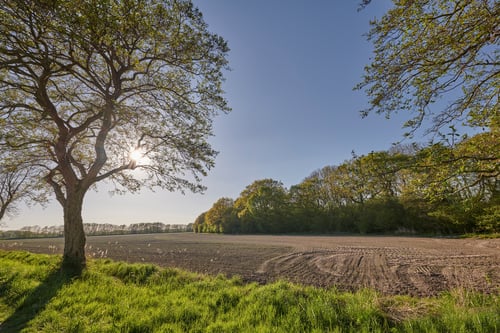
When you find a property you're interested in, here's what a thorough evaluation looks like:
Access — Is there legal, established access to the property? County road frontage is best. Easements can work but need to be reviewed carefully. Properties with unclear or informal access can be difficult to finance and resell.
Water — What water sources are available? Well, stock tank, creek, municipal water hookup? Is water availability adequate for your intended use?
Survey — Is there a current survey? If not, who will pay for one? Does the legal description match the fences on the ground?
Ag or wildlife valuation — Does the property currently have agricultural appraisal? How long has it been in place? What does maintaining it require?
Mineral rights — Who owns the minerals? Are there existing oil, gas, or mineral leases? What are the terms?
Floodplain — Is any part of the property in a FEMA-mapped flood zone? That affects what you can build, what insurance costs, and what financing you can get.
Soil and terrain — For farming, hunting, or building, the physical character of the land matters. What's the soil type? Is there slope or drainage that affects use?
Utilities — What's available — electricity, water, internet? What does it cost to bring utilities to the property if they're not already there?
Title — Are there any liens, judgments, unreleased deeds of trust, probate issues, or ownership disputes?
James and Barbara walk buyers through every one of these factors before an offer is made.
Step 7: Make an Offer and Negotiate

Land contracts in Texas are typically done on the Texas Real Estate Commission (TREC) Unimproved Property Contract or a farm and ranch contract, depending on the property.
Key terms that matter in a land offer:
Purchase price
Earnest money — typically 1–3% of purchase price, sometimes more on larger transactions
Option period — your due diligence window to investigate the property
Survey contingency — what happens if the survey reveals acreage differences
Mineral conveyance — are minerals being conveyed or retained?
Closing date and timeline
Rollback tax responsibility — how ag valuation rollback exposure is addressed
Step 8: Complete Due Diligence
During your option period, take the time to:
Order and review a survey
Pull title commitment and review for any issues
Confirm ag valuation status with the county appraisal district
Review any mineral leases or reservations
Inspect improvements (well, fencing, structures, ponds)
Verify access is legally established
Check floodplain maps (FEMA)
Speak with your lender about financing conditions
Don't rush this step. The option period exists to protect you.
Step 9: Close
If due diligence is complete and everything checks out, closing is handled through a Texas title company. You'll sign documents, pay closing costs, and receive the deed transferring ownership to you.
After closing, make sure to:
File for homestead exemption if applicable
Contact the county appraisal district about maintaining ag or wildlife valuation
Transfer utilities
Update insurance
Frequently Asked Questions From First-Time Texas Land Buyers
Do I need a real estate agent to buy land in Texas? You don't legally need one, but it's strongly recommended for first-time buyers. Land due diligence is complex, and an experienced land agent protects you from the mistakes that cost buyers money.
How much land can I buy in Texas for $300,000? It depends on location. In Wilson County, $300,000 might buy 20–50 acres of rural pasture land depending on improvements and location. In more suburban areas, the same budget buys much less.
What is the biggest mistake first-time land buyers make? Not doing thorough due diligence on access, water, and mineral rights — and not understanding ag valuation before closing.
How long does a land transaction take in Texas? Typically 30–60 days from contract to closing, though complex transactions involving survey work, title issues, or financing can take longer.
Ready to Buy Your First Piece of Texas Land?
James Peterson, ALC & Barbara Peterson Brokers/Owners — United Country Real Estate | Texas Ranch and Home Floresville, TX 78114
📞 James: 210-740-1295 📞 Barbara: 210-540-6487 🌐 www.txranchandhome.com 📅 Schedule a Free Consultation
James Peterson, ALC & Barbara Peterson are broker-owners of United Country Real Estate | Texas Ranch and Home in Floresville, Texas. James holds the Accredited Land Consultant (ALC) designation from the REALTORS® Land Institute — the highest professional credential in land real estate.